
 Most of us like to save a few bucks when we can. Applying protective coatings will cost less if you do it yourself than if you hire a professional. But just because you can doesn’t mean you should.
Do-it-Yourself (DIY) applications work well for projects like backyard decks, garage floors, small metal parts, and home equipment coatings. But it’s not always the best route for larger or higher-risk surfaces. The right choice depends on several things, like surface complexity, the type of coating, and the tools you need.
Pros: Keeps money in the bank, flexible timing, empowering for DIYers.
Cons: Uneven coverage is more likely, possible missed prep steps, and a shorter lifespan if instructions aren’t followed to the T.
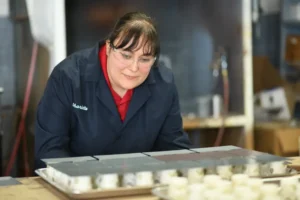
If your project involves complex surfaces, high-performance industrial coatings, or specific environments, like marine applications, hiring a pro can save you time, frustration, and long-term maintenance costs.
Pros: Expertise, proper prep and application, warranty options.
Cons: It costs more money and requires coordination for scheduling.
No matter who does the application, the correct technique is crucial for a successful project. Skimping on prep or rushing the job is the fastest way to end up with peeling, bubbling, or prematurely failing coatings. Here are the best practices every project should follow.
Good adhesion starts with a clean, dry surface. Remove dirt, oils, rust, old paint, and moisture. Patch cracks and holes, and double-check that everything is smooth and ready for coating.
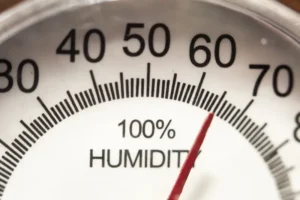
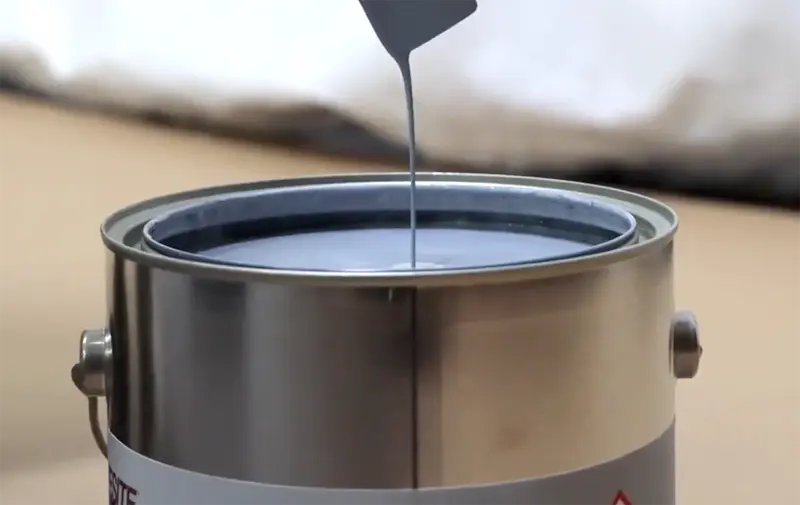
Different coatings require different recommended tools, like brushes, sprayers, and rollers, as well as mixing ratios and environmental conditions. Always check the suggested temperature and humidity ranges before starting.
Using a wet film/mil gauge makes sure your coating is applied evenly. Thin areas can cause weak spots or early wear. An area that is too thick can lead to slow curing or potential cracking.
Curing times can range from hours to days. Avoid water, heavy use, and chemical exposure until the coating is fully set. Not waiting until it’s fully cured can cause significant problems down the road.
Once everything is dry, search for pinholes, bubbles, or spots you may have missed. Touch-ups now will save you repairs, stress, and money later.
Choosing between DIY and professional application comes down to scale, complexity, and your comfort level. DIY can be cost-effective and rewarding, but professional application provides reliability, especially for high-performance coatings or surfaces that can’t fail.
Whichever route you choose, follow best practices to getting durable, long-lasting protection.
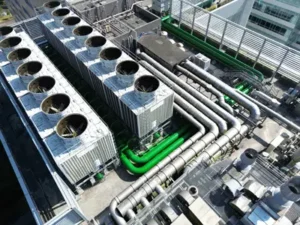
Give us a call at 800-558-7747 to talk about your coating application needs. And check out Heresite Protective Coatings’ international network of certified applicators, who are trained to apply Heresite coatings to a wide variety of HVAC-R equipment.
We’re celebrating 90 years of success, because with Heresite, there is NO EQUAL.