When your office’s HVAC system goes down, you may get uncomfortable, a little too warm, or a bit chilly. But when it fails in a data center, a hospital operating room, or a pharmaceutical processing suite, the result can be catastrophic. It is lost data, compromised patient care, destroyed product, and regulatory consequences that stick around long after everything is back up and running.
Mission-critical facilities’ acceptable downtime margin for error is zero. That’s where protective coatings come in.
The Real Cost of HVAC Failure in Sensitive Locations
The financial impact of HVAC failure varies by industry, but the pattern is the same. The more crucial the environment, the more devastating the interruption.
- Data Centers. A single HVAC failure that causes server room temperatures to climb can trigger automatic shutdowns, corrupt active processes, and violate service-level agreements. Data center downtime can reach tens of thousands of dollars. Per. Minute.
- Hospitals and Healthcare Facilities. Climate control is crucial for maintaining sterile environments, storing medications, and for patient comfort. An HVAC failure in an operating room or intensive care unit is far from just a maintenance issue. It is a patient safety emergency. And when it happens, procedures are stopped, equipment must be re-sterilized, and incident reports are filed.
- Pharmaceutical Manufacturing. These facilities work under strict temperature and humidity protocols. A small change can cause an entire batch to not meet requirements, forcing recalls, lost inventory, and a potential sit-down with the FDA.
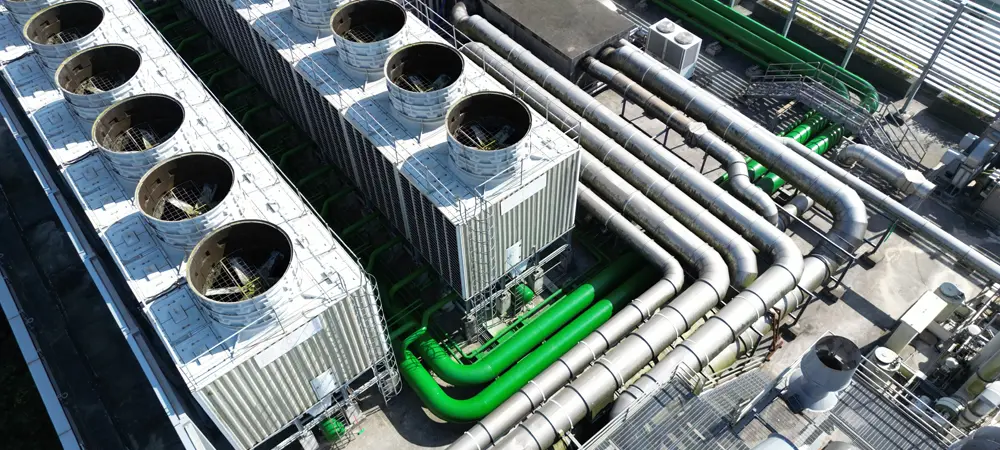
In each of these environments, the HVAC system is the backbone of the operation and must be protected.
Why Protective Coatings Should Be a Part of Your Risk Mitigation Plan
The cornerstone of mission-critical design is redundancy. Backup generators. Redundant cooling loops. Secondary power feeds. Facilities managers spend enormous amounts of money building resilience into their systems. And then they leave their coils exposed to the environment.
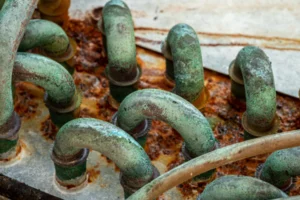
Coil corrosion is the threat that no backup systems can make up for. It slowly but surely degrades heat transfer efficiency, making systems work harder for lower output before they fail completely.
Protective coatings like Heresite are a form of preventive redundancy. They don’t replace maintenance schedules or mechanical backups, but they do extend the equipment’s life.
The Math of Coatings Down the Road
Facilities managers often evaluate protective coatings in the beginning, when the coating adds cost to the unit or the installation. But the right way to think of it is through a lifecycle cost comparison.
Consider a rooftop unit in a coastal data center. With an uncoated installation in this environment, coil replacement may be needed every 3 to 5 years. A Heresite-coated coil in the same environment performs for 10 to 15 years before breakdown, especially when protected with products like HereShield or P-413.
You should consider these factors from the very beginning:
- Equipment costs for replacement coils or full unit replacement
- Downtime while fixing the coils
- Labor expenses for removal, installation, and recommissioning
- Disposal costs for corroded equipment
- Efficiency losses in the period leading up to failure
Your coating investment will pay for itself many times over before the first replacement is needed in an uncoated installation.
Protect The Whole Thing
Here’s your most important fact to take away: Coil corrosion leads to more (and more) problems. When coils corrode, systems compensate by running longer cycles, increasing compressor use, and drawing more power. These stressors speed up wear across the entire machine.
Protecting your coils protects your system.
Heresite has been manufacturing protective coatings since 1935, and its coatings safeguard equipment on mission-critical infrastructures around the world.
Interested in checking out Heresite coatings for your next project? Reach out at 920-684-6646 or
contact us to find a certified applicator in your region.